
Handbag Reset: How to Organize Your Handbag Like a Pro and Stay Effortlessly Prepared
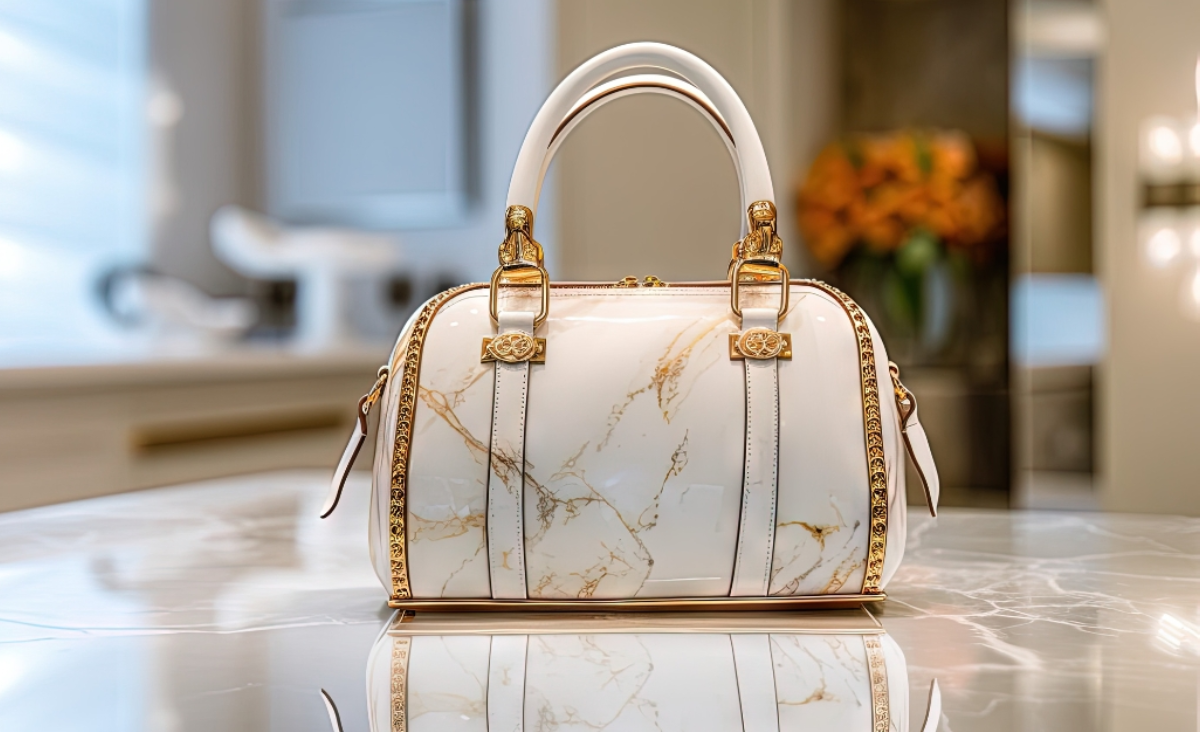
Carry a beautifully designed handbag, and see your entire look elevate beyond praise. Nevertheless, style is secondary, if clutter is the identity of your handbag. It becomes frustrating, and you end up irritated.
Imagine digging for keys, untangling earphones, or even discovering a leaking pen inside the bag. These are issues that can get you in deep trouble, or frustrate you unnecessarily. You must take the right approach, to ensure that your bag is streamlined.
Efficient space management is essential for supporting your daily routine, and without sacrificing style, even a bit. Here’s a comprehensive guide about how to organize your handbags like a pro.
1. Start with a Full Clean-Out
Empty your handbag completely, and then start reorganizing it. Make sure that all the pockets and all the compartments are totally empty. You must lay everything out on a flat surface and sort every item into distinct categories. This can include:
- Daily essentials
- Occasional items
- Trash or expired items
- Items that belong elsewhere
Such an activity can actually surprise you. There are a range of unnecessary things that accumulate over time, which results in clutter. Materials like old receipts, packaging, or duplicate products can take up a lot of space in your handbag.
You must wipe down the interior gently with a soft cloth, after you’ve taken out all essentials and emptied your bags completely. Are you having a leather bag? Make sure to use a suitable cleaner, which is strongly recommended with the material. You find it easy to maintain order moving forward, with a fresh interior.
2. Define Your Daily Essentials
Clarity is the key in professional organization, and you must decide what truly needs to live in your handbag every day. Some essential elements that you can’t compromise on, include:
- Wallet or cardholder
- Phone
- Keys
- Lip balm or compact
- Hand sanitizer
- Sunglasses
- Small notebook or planner
You must not carry “just in case” items in your bag, unless you genuinely use them frequently. Your bag can be managed easily, if you’re carrying fewer loose items.
3. Use Pouches for Smart Compartmentalization
Pouches have proven to be a trustworthy material for professional stylists and fashion editors, when it comes to organizing handbags. They help in keeping your handbags totally structured.
You can use the same and do it effectively.
- Cosmetic pouch: You can use these to store lip products, compact mirrors, and small beauty items together.
- Tech pouch: Keep your chargers, earphones, and power banks neatly contained in these pouches.
- Personal essentials pouch: Use these pouches to store tissues, sanitizer, and small hygiene items that can be grouped together.
Loose items can be prevented from shifting around with this approach. Moreover, you will be able to transfer everything quickly from one bag to another with this approach as well. In the case of larger totes and structured handbags, organizer inserts can be used to add internal compartments, without altering the exterior of the bag.
4. Assign Everything a “Home”
Consistency plays the key role in helping with long-term organization. You must first decide on the following areas:
- Keys go in the inner zip pocket.
- Phone stays in the outer slip compartment.
- Wallet sits in the center section.
Make sure that each item has a designated spot. This helps you in eliminating the need for daily search. Besides, you will be able to develop muscle memory, which means that your will instinctively know where everything is.
5. Prioritize Accessibility
Make sure that you place the items you use frequently in a place which can be reached easily. For example:
- Place your phone in the outer pocket or in the compartment on the outside.
- Your keys should be clipped to a key leash, or you can place it in a small internal pocket as well.
- Keep your transit card or ID on the front slot to ensure quick access.
Burying frequently used items at the bottom of your bag is a big mistake! You should always avoid it at all cost. With strategic placement, you will be able to reduce clutter and speed up your routine as well.
6. Keep It Light and Balanced
An overstuffed handbag loses its shape and becomes difficult to manage. It can also strain handles and distort the structure over time.
To maintain balance:
- Avoid stacking heavy items on one side.
- Distribute weight evenly.
- Remove unnecessary bulk weekly.
Structured handbags look polished when they are not overloaded. Maintaining balance protects both your bag and your comfort.
7. Use Slim, Space-Saving Accessories
Downsizing bulky accessories quickly transforms your handbag’s interior.
Consider:
- A slim cardholder instead of a large wallet
- Travel-sized products instead of full-sized bottles
- Compact key holders instead of oversized keychains
These small changes create noticeable space without compromising functionality. You will be able to save a lot of space, and avoid clutter with this small, but highly effective trip.
8. Rotate and Reset Weekly
Even an organized bag can accumulate clutter over time. Set aside five minutes at the end of each week to reset.
Remove:
- Receipts
- Unnecessary papers
- Items you did not use
Return your handbag to its original organized state. This small habit prevents buildup and maintains a professional-level system.
9. Organize According to Bag Type
Different handbag styles require slightly different strategies.
Structured Work Tote
Use inserts and multiple pouches. Keep documents in a protective sleeve. Place heavier items at the base for stability.
Crossbody Bag
Carry only essentials. Avoid overfilling, as smaller bags can lose their silhouette quickly.
Mini or Evening Bag
Limit contents to absolute necessities: cardholder, lipstick, and phone. Keep items minimal to preserve elegance.
Adapting your organization method to your handbag’s design ensures it always looks intentional and refined.
10. Protect the Interior
Organization also means protection.
- Keep pens in secure pouches.
- Store liquids in sealed mini bags.
- Use sunglass cases to prevent scratches.
Accidents can happen, but preventative steps minimize risk and extend the lifespan of your handbag.
11. Create a “Transfer-Ready” System
If you switch handbags frequently, efficiency matters.
Keep essentials grouped in pouches so you can transfer them quickly from one bag to another. This saves time and reduces the chance of forgetting important items.
A consistent system across all handbags simplifies daily transitions while keeping your style flexible.
12. Maintain Exterior Order Too
Professional organization extends beyond the inside.
- Keep straps untangled
- Avoid overloading exterior pockets.
- Store your handbag upright when not in use.
When stored properly, handbags maintain their structure and appearance for longer periods.
Why Handbag Organization Matters
An organized handbag does more than look neat, it enhances your daily experience.
You will:
- Save time
- Reduce stress
- Protect your belongings
- Preserve your handbag’s structure
- Feel more prepared and confident
Small changes in how you arrange your bag can create a noticeable improvement in your routine.
Final Thoughts: Style Meets Structure
Organizing your handbag like a pro is not about excellence, it is about intention. When you clean out regularly, use pouches strategically, assign fixed spots for essentials, and avoid unnecessary clutter, your handbag becomes an extension of your personal organization style.
You will:
A well-organized handbag reflects attention to detail. It supports your day, complements your look, and ensures you are always ready, whether heading to work, meeting friends, or attending an event.
Your handbag is more than an accessory. With the right system in place, it becomes a polished, functional companion that moves seamlessly with your lifestyle.